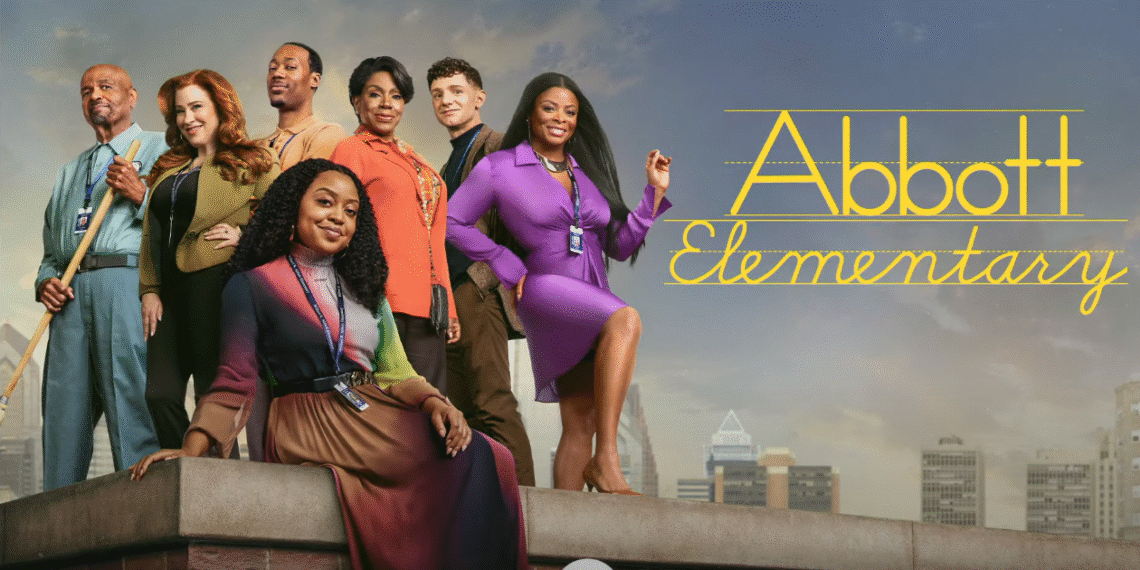
When Janine Teagues first steps into the brightly lit classrooms of Abbott Elementary, you sense there’s something refreshingly different in the air. This isn’t your run-of-the-mill school comedy. Creator Quinta Brunson has crafted a world where the worn linoleum floors and squeaky chalkboards feel as alive as the dedicated—and sometimes exasperated—educators who work within them.
Abbott Elementary centers around a group of teachers in an underfunded Philadelphia public school, each bringing their own quirks and convictions to the job. There’s Janine, endlessly optimistic and fearless in her lesson plans; Barbara, the veteran teacher whose dry wit masks a heart of gold; and Melissa, whose polished exterior hides frustration with the system’s limitations. Together they navigate leaking ceilings, dwindling supplies and the occasional surprise fire drill—while never losing sight of why they became teachers in the first place.
What elevates Abbott Elementary above typical workplace sitcom fare is its sincerity. Rather than punch lines at the expense of its characters, the show revels in small triumphs: a reluctant student finally grasping a concept, or a teacher rallying colleagues to secure new books. Even the principal, Ava, juggles budget meetings and board directives with moments of genuine warmth, reminding viewers that leadership often means doing the best you can with too little.
Tonally, the mock-documentary style gives the series a wink of realism. Quick camera pans capture a raised eyebrow or an awkward pause, and confessional asides let characters speak their truths directly to us. Yet the show never feels gimmicky; those glances and monologues deepen our bond with the staff, making victories feel earned and setbacks all the more poignant.
Part of the magic lies in the ensemble’s chemistry. Tyler James Williams brings subtle humor to Gregory Eddie, the earnest new teacher determined to prove himself. Sheryl Lee Ralph’s Barbara crackles with timing—her sighs and side-eye could fill volumes. And Brunson herself shines as Janine, balancing wide-eyed hope with the weary realism of someone who’s seen too many budget cuts.
Beyond laughs, Abbott Elementary taps into broader conversations about public education in America. It highlights systemic challenges—overcrowded classrooms, bureaucratic red tape and the emotional toll on teachers—without ever drifting into didactic territory. Instead, empathy remains central: you laugh, you wince, and you root for these characters because you understand what’s at stake.
Viewers have responded in kind. Critics praise the series for marrying humor with heart, and audiences have turned each episode into water-cooler conversation. Awards buzz followed quickly, recognizing the show’s writing and performances as a standout in a crowded TV landscape.
Abbott Elementary reminds us that sometimes the most meaningful stories emerge from everyday places. There are no capes or supernatural powers here, just a handful of passionate educators striving to make a difference. And in their successes and stumbles, we find humor, hope and a quiet celebration of the teachers who shape our world, one lesson at a time.


One comment on “Abbott Elementary Television Series”